Email Address
knoledgefortechnology02@gmail.com

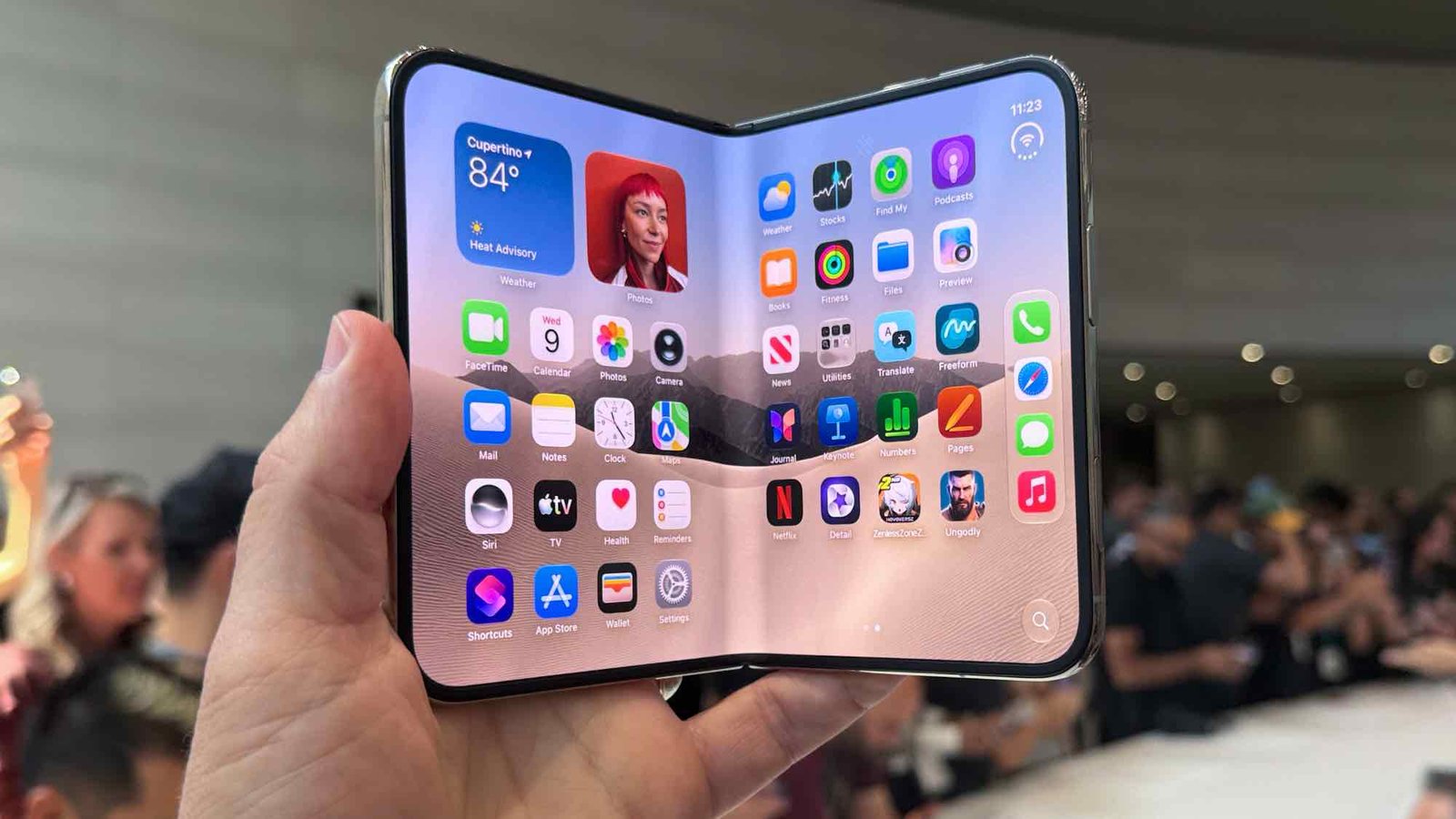
For the first time ever, Apple has introduced a foldable iPhone called the iPhone Duo. Apple has finally entered the foldable smartphone market, and let me tell you, this is not a small change. In this article, we are going to explore how much it costs, whether it can actually replace an iPhone and an iPad for some users, what features it offers, and whether it is really worth buying.
| Feature | iPhone Duo |
|---|---|
| Manufacturer | Apple |
| Type | Foldable smartphone |
| Inner display | 7.6-inch |
| Outer display | 5.4-inch |
| Chip | A20 Pro |
| Material | Grade 5 titanium |
| Display technology | Super Retina XDR |
| Refresh rate | ProMotion |
| Brightness | Up to 3,000 nits outdoor peak |
| Main camera | 48MP Fusion |
| Ultra Wide camera | 48MP Fusion |
| Outer selfie camera | 12MP Center Stage |
| Operating system | iOS 27.1 |
| AI | Apple Intelligence + Siri AI |
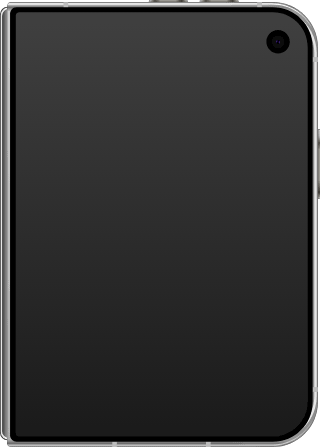
The new iPhone Duo comes in Star White and Night Sky. It features a unique, passport-style design, along with volume buttons, Camera Control, and a side button with Touch ID. Yes, Apple is going to use Touch ID instead of Face ID, and there are two cameras on the back.
The outer display measures 5.4 inches, while the inner display measures 7.6 inches. When folded, the iPhone Duo is 11.3 mm thick, while its thickness drops to 5.2 mm when unfolded. That makes it relatively thin when open, coming close to the iPhone Air, which measures 5.64 mm thick. The total weight is around 254 grams.
Many people might think that switching between the outer and inner displays would feel a little strange. However, the transition is designed to feel natural.
Apple has introduced other changes to the iPhone’s interface, including a vertical Dock on the side instead of a horizontal one, along with a vertically positioned Dynamic Island. There is also a new way to display Wi-Fi signals and battery information. The inner display can be used for multitasking, making it more useful when working with multiple apps.
Apple has hidden the FaceTime camera under the inner display, while a 12MP hole-punch front-facing camera is located on the outer display.
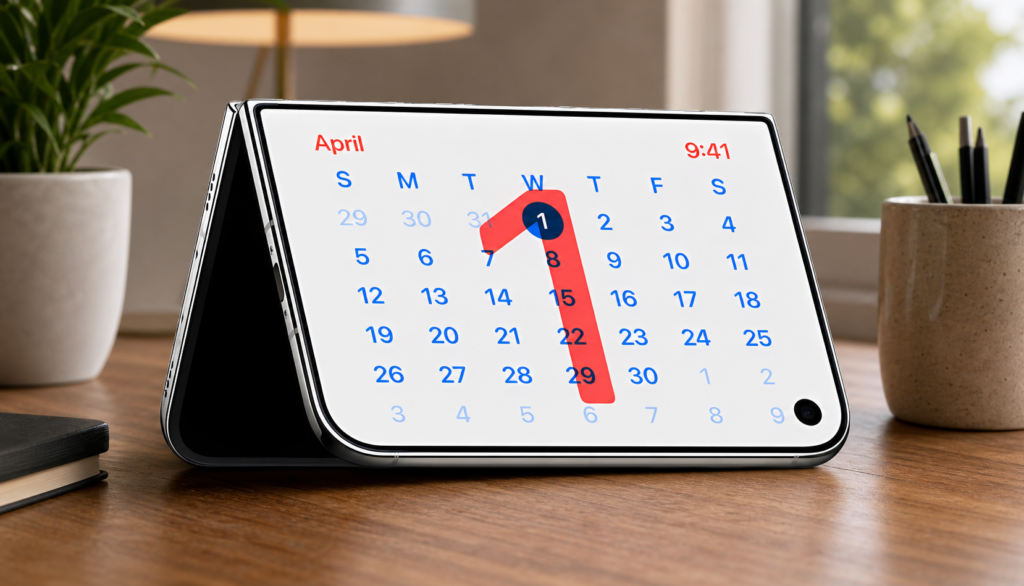
Apple has also added Apple Pencil support to the new iPhone Duo. On top of that, you can use the phone in StandBy mode during certain situations. For example, you can leave your phone on a desk or beside your laptop and have it display information such as your calendar or the weather.
Another feature I found pretty cool is the bedtime display experience. When you put your phone down to sleep, it can show a soft glow alongside your alarm information when you wake up. I saw this feature, and I thought it was pretty cool.
You can even partially fold the iPhone Duo and use it in different positions, which adds another level of convenience. Apple is also working on making its apps compatible with the new foldable phone so users can take better advantage of the larger display.
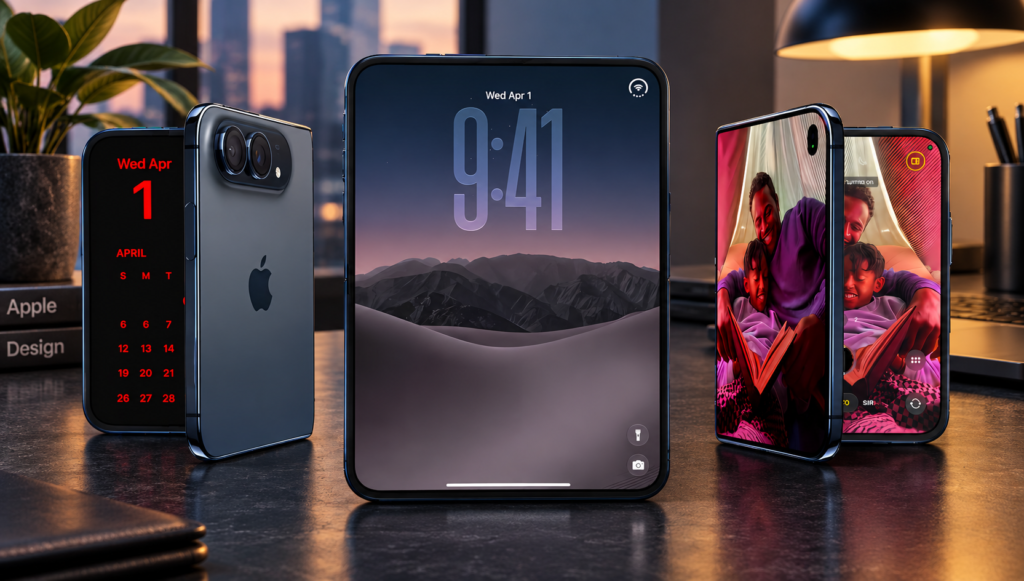
Both the inner and outer displays use OLED technology and support a 120Hz ProMotion refresh rate. They also support True Tone and Always-On display features. Outdoor peak brightness can reach up to 3,000 nits.
Another interesting detail is that the inner display is made up of 10 ultrathin layers. The outer display uses Ceramic Shield 2, while the inner display uses Ceramic Shield. On top of that, the inner display has a nano-texture layer designed to reduce glare and make the crease less noticeable.
The new iPhone Duo is powered by Apple’s 2nm A20 Pro chip, which is also found in the iPhone 18 Pro and iPhone 18 Pro Max.
According to Apple, the chip features two super cores and four efficiency cores. It is 20% faster than the A19 Pro. It also features a seven-core GPU with Neural Accelerators, delivering a claimed 40% performance improvement over the A19 Pro, along with a dual 16-core Neural Engine configuration.
These specifications might sound impressive, but with the new AI features introduced across the iPhone 18 lineup and the iPhone Duo, this additional processing power could be particularly important.
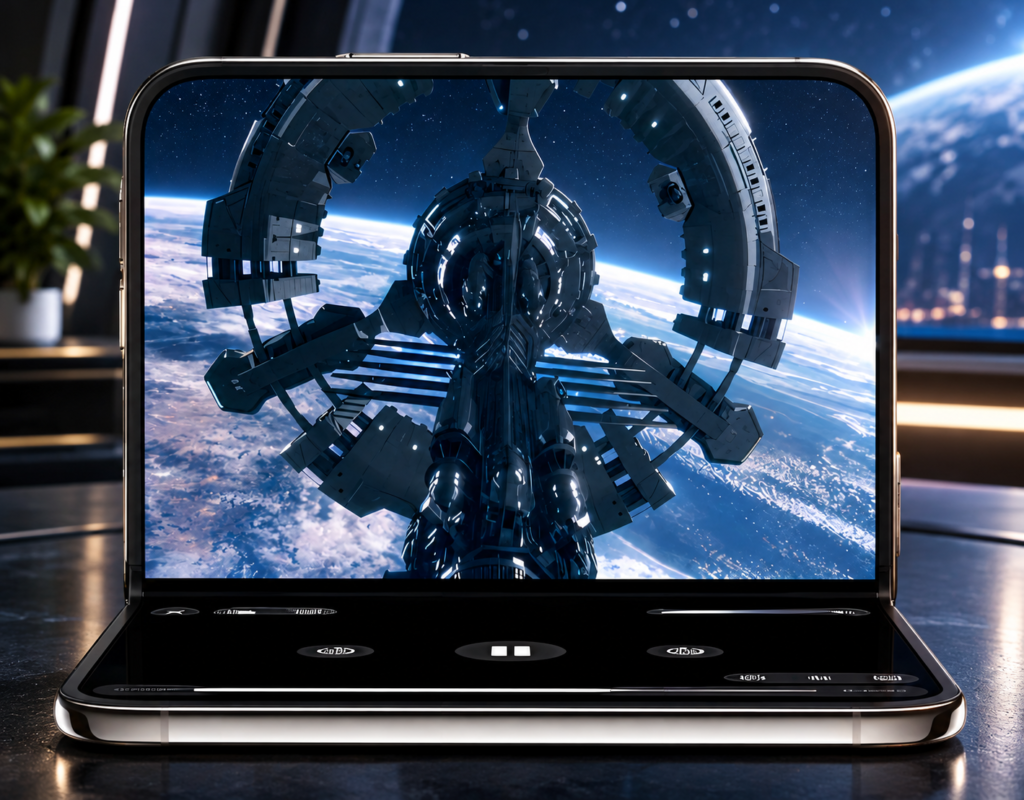
When it comes to battery life, the iPhone Duo can last up to 24 hours when switching between its two displays. For video playback, it can last up to 31 hours, while streaming video can last up to 26 hours when using the inner display.
On the smaller outer display, video playback can last up to 44 hours, while streaming video can last up to 37 hours.
Now, let’s talk about charging. The phone can reach up to 50% battery in approximately 20 minutes with a 60W adapter. With another charging configuration, reaching 50% can take around 30 minutes.
It also supports 25W MagSafe and Qi2 wireless charging.
The iPhone Duo features a vapor chamber cooling system designed to manage heat more effectively. This system offers 35% better performance than the iPhone 17 Pro, according to the stated figures.
There are two cameras on the back of the iPhone Duo. The main camera is a 48MP Fusion camera with a 26mm focal length. It also offers a 2x optical-quality zoom option at 52mm.
The second camera is a 48MP Ultra Wide camera with a 13mm focal length and support for macro photography.
The phone also supports the new Photographic Styles, which offer controls for adjusting white balance, exposure, and other image settings.
For video recording, the Fusion camera supports 4K Dolby Vision recording at up to 120 frames per second. It also features Cinematic mode, which can record at up to 4K and 60fps, as well as Dual Capture at 4K and 30fps. You also get 4K Dolby Vision time-lapse recording.
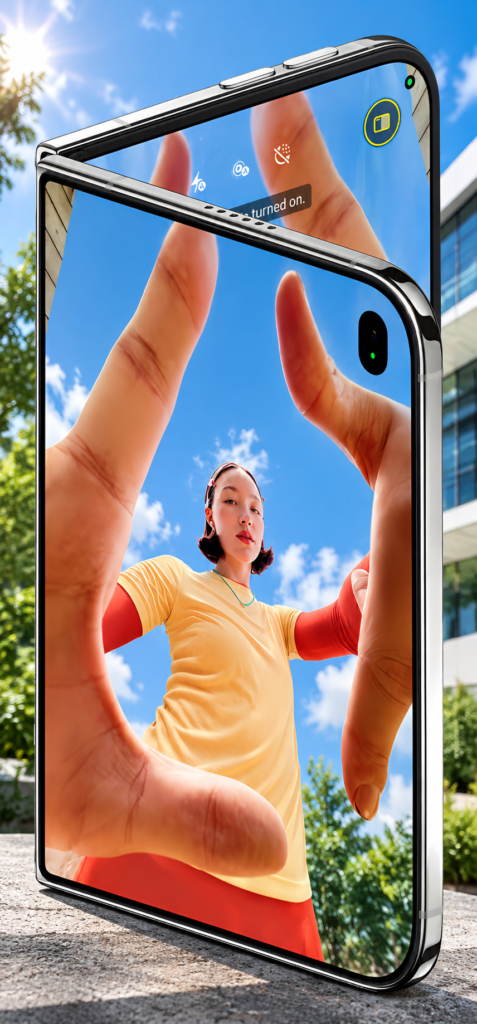
The iPhone Duo includes several unique camera features that make taking pictures more convenient.
However, there is one major question: is the iPhone Duo worth its high price when it costs significantly more than the iPhone 18 Pro Max but lacks some of its advanced camera and video features?
These missing features include a telephoto lens, Pro camera controls, Apple Reference Mode, variable aperture, second-generation sensor-shift optical image stabilization, Adaptive True Tone flash, spatial photo and video recording, ProRAW, ProRes, ProRes RAW, Genlock, Apple Log 2 video recording, and a studio-quality microphone array.
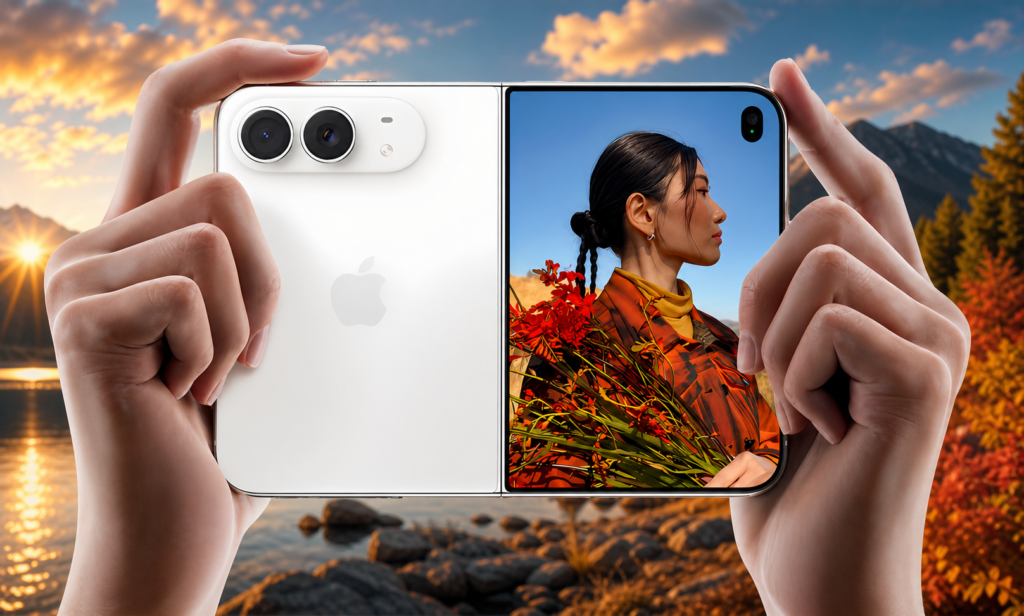
Personally, I see the iPhone Duo as an iPhone that can transform into something similar to an iPad. That makes it much more interesting for entertainment, gaming, and productivity.
Whether you want to watch videos, play games, or work with multiple apps, the larger display can make the experience more enjoyable. At any moment, you can unfold the phone and enjoy a more tablet-like experience without carrying a separate device.
For me, that flexibility is one of the most interesting things about the iPhone Duo.
This topic is so extensive that I could write an entire article about it, and that is exactly what I did. Make sure to check out my other article on Apple Intelligence, where I explore the features in more detail.
When it comes to durability, the iPhone Duo features a mirror-polished Grade 5 titanium frame and a 3D-printed hinge cover with a micro-blasted finish. It also includes internal support ribs, while the antenna uses ceramic fiber for added rigidity.
The phone has an IP68 dust- and water-resistance rating.
The hinge contains more than 100 components to support smooth opening and closing. When you fold the device shut, the magnets create a satisfying click.
Like the iPhone Air, the iPhone Duo supports eSIM worldwide. It also features Apple’s C2 modem chip, which supports both sub-6GHz 5G and mmWave 5G, with mmWave available only in the United States.
The phone includes an N1 networking chip with Wi-Fi 7, Bluetooth 6, and Thread support. It also features Crash Detection, satellite connectivity, and Emergency SOS.
The iPhone Duo starts at 256GB of storage and costs CAD $2,999. Other storage options include 512GB, 1TB, and 2TB.
Pre-orders begin on October 16, and the phone is expected to become available on October 23.
Yes. The iPhone Duo is Apple’s first foldable iPhone.
The iPhone Duo starts at CAD $2,999, making it a very expensive smartphone.
The iPhone Duo uses the A20 Pro chip, which powers its performance and supports its advanced features.
Yes, the iPhone Duo supports Apple Pencil.
Both devices have their own advantages. The iPhone 18 Pro Max may be better suited to users who want advanced camera features and a traditional smartphone design. Meanwhile, the iPhone Duo offers a foldable display that can provide a more tablet-like experience for entertainment, multitasking, and productivity.
Personally, I think the iPhone 18 Pro Max and the iPhone Duo are taking two different approaches. They are designed for different types of users, and neither one is automatically the better choice for everyone.
Some people who need advanced camera capabilities and features for professional work may prefer the iPhone 18 Pro Max. However, if those features are not your main priority and you want a device that can switch between a smartphone and a tablet-like experience, the iPhone Duo could be the more appealing option.
Ultimately, it comes down to what you need from your device. If you want a traditional flagship phone with advanced camera features, the Pro Max may be the better choice. But if you want the flexibility of a foldable iPhone that can give you a larger screen whenever you need one, the iPhone Duo could be worth considering.